Kasey Mock, ALC

Mock Ranches Group North Texas

439 S. Graham Street Stephenville, TX 76401

Licensed in TX

(512) 842-4651

View Kasey's Listings

View Site

Kasey Mock, ALC

Kasey Mock was awarded the 2018 National Recreational Land Broker of the Year, the 2023 Texas Recreational Land Broker of the Year, and has been recognized five times as a National Top 20 Apex Producer by The Land Reportand the Realtors Land Institute. From 2014 to 2023, he served as the Director of Farm and Ranch at Keller Williams Realty International, leading the division from its inception to over $6 billion in annual land sales.

In 2018, Kasey received the National Rising Star Award from the Realtors Land Institute and has twice been recognized as the top-producing Farm and Ranch agent for Keller Williams Realty nationwide. He is a business coach with MAPS Business Coaching and the Millionaire Business Network, and holds the prestigious Accredited Land Consultant (ALC) designation.

Kasey is a co-founder of Texas Land & Wildlife, LLC and hosts the Land Broker Insider Podcast. He holds a Bachelor of Science in Agricultural Services and Development from Tarleton State University.

An outdoorsman through and through, Kasey has hunted professionally across the United States, managed and consulted for some of the top ranches in Central Texas, and earned recognition as one of the leading land brokers in the country. He has dedicated his entire career to serving the land and landowners.

Kasey lives in Stephenville, Texas, with his wife, Elizabeth, and their two children. Their family is grounded in their faith in Jesus, believing that all things are from Him, by Him, and for Him. Kasey leads the company strategically and represents land buyers and sellers in large transactions throughout Texas and beyond.


View My Listings

Land for Sale by Kasey Mock, ALC

New Listing
Hood County, TX
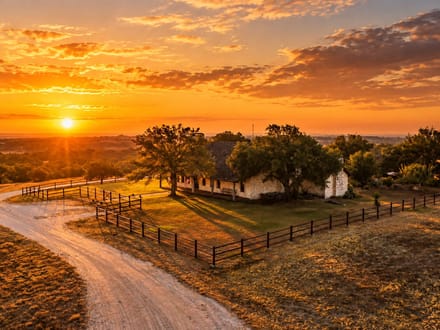
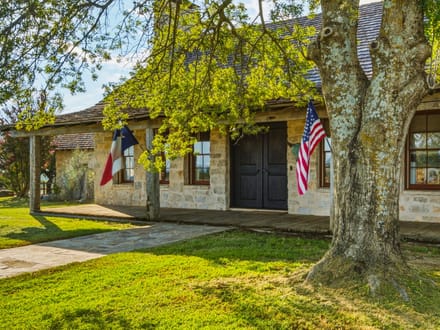
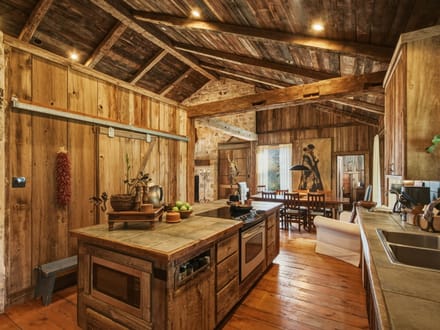
LIGHTNING C RANCH264 Acres | Granbury, Texas | Hood CountyApproximately One Hour from Downtown Fort WorthContact for PriceThere are ranches you can recreate. The Lightning C is not one of them.Set high in the hills of Hood County just below Comanche ...
264± Acres
|
Price Upon Request
New Listing
Aransas County, TX
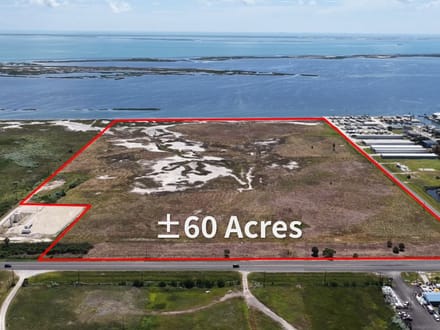
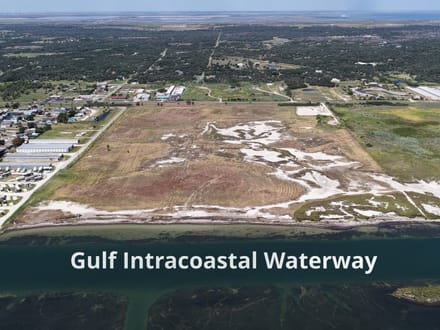
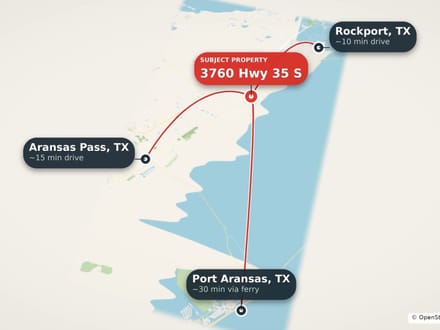
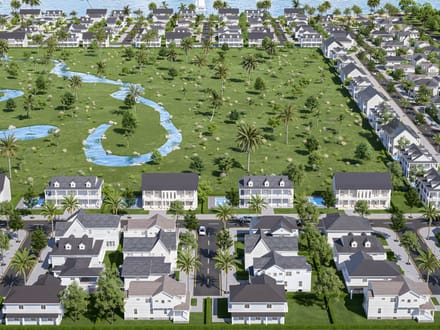
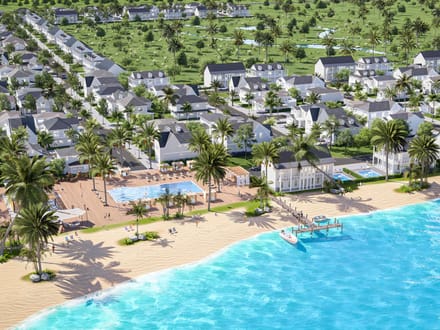
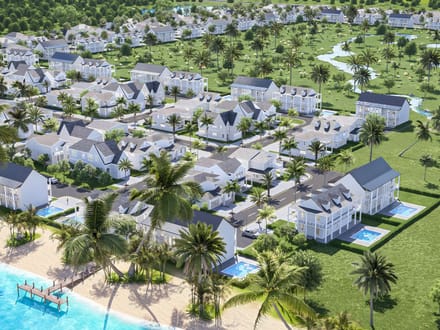
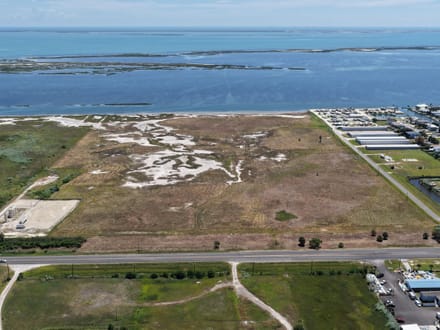
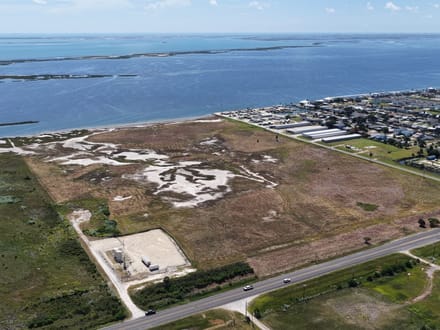
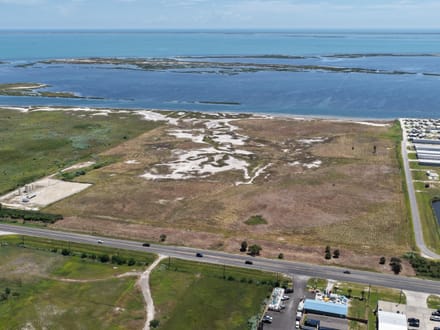
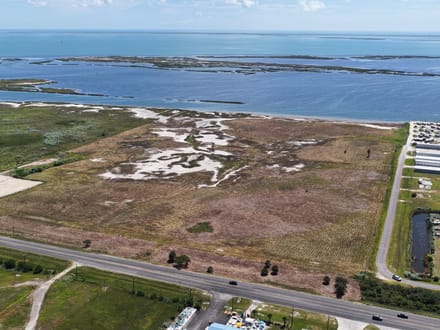
Passport Shores | Rockport, TexasFully entitled waterfront development, +-60 acresPassport Shores is a +-60 acre tract in Rockport, Aransas County, with more than 1,300 feet of frontage on the Intracoastal Waterway. The property is approved for 179 r...
60± Acres
|
Price Upon Request
Comanche County, TX
Hilltop Views | Wildlife Habitat | Recreational & Weekend RanchLocated approximately 4.5 miles north of Blanket, this 184.19± acre property offers a rare combination of elevated views, productive land, and turnkey recreational infrastructure - al...
184.19± Acres
|
$1,627,083
Price Reduced
Lampasas County, TX
Shepperd Ranch117± Acres | Lometa, Texas | Lampasas CountyIt is increasingly difficult to find a ranch that truly checks every box. The Shepperd Ranch is one of those rare properties that combines a beautifully updated home, highly productive agricul...
117± Acres
|
$1,450,000
Comanche County, TX
Located in northern Comanche County between De Leon and Gorman, this productive 119.2-acre irrigated farm offers a valuable combination of water, access, grazing, and hunting. With over 2,600 feet of frontage on FM 2921 and approximately 2,200 feet a...
119.19± Acres
|
$1,168,062
Menard County, TX
The improvements on this 247-acre ranch were built with intention, blending functionality with the kind of craftsmanship that stands the test of time. Constructed in 2021, the custom log home reflects quality materials and thoughtful design, while th...
247± Acres
|
$2,800,000
1
2

Contact Kasey Mock, ALC

Kasey Mock, ALC's Recent Articles

Key Takeaways  Texas does not exempt agricultural land from property taxes. What listings call an ag exemption is a special appraisal under Article VIII, Section 1-d-1 of the Texas Constitution, which taxes qualifying land on its productive agricultural value instead of its market value.  Cattle are the most common qualifying species. Sheep, goats, working horses, commercial swine and poultry, working donkeys and mules, commercial exotics, managed bee colonies, and aquaculture can also qualify.  Each county appraisal district publishes its own intensity standard, so confirm the stocking rate with the district and the local AgriLife Extension office before you write an offer.  Pleasure horses, pets, exotic game ranches devoted solely to hunting, and recreational fishing ponds do not qualify.  Wildlife management valuation requires land that already carries the ag valuation, plus at least three of seven TPWD practices. That history attaches to the land, not the owner.  Beekeeping qualifies on tracts of not less than 5 and not more than 20 acres, with the colony count set by each appraisal district.  A change in ownership requires a new Form 50-129 application before May 1, with two exceptions that took effect January 1, 2026 under House Bill 1244. The first question most Texas landowners ask about the agricultural valuation is how many acres they need, and the second is usually about the animals. Texas does not exempt agricultural land from property taxes. What listings call an ag exemption is a special appraisal under Article VIII, Section 1-d-1 of the Texas Constitution, and it taxes qualifying land on its productive agricultural value instead of its market value. Cattle are the most common qualifying species, and far from the only one. Appraisal districts across the state recognize cattle, sheep, goats, working horses, swine and poultry at commercial scale, donkeys and mules in working roles, exotic animals raised for commercial products, managed bee colonies, and aquaculture. The thread running through every category is Texas Tax Code Section 23.51: the land must be devoted principally to agricultural use, to the degree of intensity generally accepted in the area. ANIMAL QUALIFIES WHEN DOES NOT QUALIFY WHEN Cattle Run at the stocking rate the county appraisal district expects. Run below the county's published intensity standard. Sheep and goats Raised under the same livestock framework as cattle. Familiar path across the Edwards Plateau. The county treats them only as supplemental to cattle or the owner cannot document commercial intent. Horses Raised, bred, or grazed for farm and ranch purposes. Kept to train, show, race, or ride for recreation. Donkeys and mules Kept in working roles. Kept as pets or companions. Swine Commercial production such as farrow-to-finish, feeder pig, or sow operations. A few pigs kept for the household. Poultry Broiler, layer, turkey, or pullet operations. A backyard flock kept for household eggs. Exotic animals Non-native species raised for food, fiber, leather, pelts, or other commercial products. The ranch is devoted solely to hunting. Wildlife The land already carries the ag valuation and the owner carries out at least three of seven TPWD practices. The land has no qualifying agricultural or timber history. Bees Kept for pollination or commercial products on 5 to 20 acres. Kept on less than 5 or more than 20 acres, or below the county's colony count. Fish Raised and sold commercially, such as catfish, tilapia, hybrid striped bass, or crawfish. A private pond stocked for recreational fishing. Cattle are the most common path to qualification Cattle qualify for the agricultural valuation in virtually every Texas county. What changes from county to county is the intensity standard, meaning the stocking rate the district expects, and it tracks real carrying capacity. A dry county of native limestone range needs far more acres per animal unit than a county of improved coastal Bermuda pasture with far more rainfall, and each appraisal district publishes its own number. That number is county-specific, not statewide. Two Texas ranches for sale on either side of a county line can run the same herd and meet two different expectations. The common mistake is buying a small tract on an assumption. If you plan on two cows holding the valuation on 50 acres and the district expects one animal unit per 10 acres, you are short before the first tax bill arrives. Pull the published standard from the county appraisal district, and confirm the stocking rate with the local Texas A&M AgriLife Extension office, before the offer rather than after. Sheep and goats depend on where the land sits Sheep and goats qualify under the same livestock framework as cattle in most counties. Across the Edwards Plateau, in Kimble, Real, Edwards, Sutton, Gillespie, and the surrounding counties, sheep and goat production has a long history, and the qualifying path is familiar to local appraisers. Outside that territory, standards are less uniform. Some counties accept sheep and goats as primary qualifying livestock, while others treat them as supplemental to cattle or ask for more documentation of commercial intent. Before you build a qualifying plan around small ruminants, call the district while the deal can still be restructured. Working horses qualify, pleasure horses do not Horses qualify when the land is used principally to raise, breed, or graze them for farm and ranch purposes. Quarter horses used in cattle work, breeding operations, and ranch horses doing daily work can satisfy that test. The line between a horse business and horses kept for enjoyment comes from the Comptroller's Manual for the Appraisal of Agricultural Land, which county guidelines follow. Land used primarily to train, show, or race horses, to ride them for recreation, or to keep them in any manner not strictly incidental to breeding or raising them does not qualify. Plenty of Texas horse properties sit within an hour of Dallas, Austin, or San Antonio, where hobby horse keeping is common, and districts there apply that line closely. Expect a request for proof of commercial activity. Swine and poultry qualify at commercial scale Swine qualify in commercial production. Farrow-to-finish facilities, feeder pig operations, and commercial sow herds selling into recognized markets fit the definition. Keeping a few pigs for the household does not, even with several animals on the place. Poultry works the same way. Broiler houses, commercial layer operations, turkey production, and pullet operations are recognized agricultural uses, while a backyard flock kept for household eggs does not qualify. The test is what a commercial poultry producer in that area would be running. Exotic animals mean non-native species Tax Code Section 23.51 defines an exotic animal as a species of game not indigenous to this state, including axis deer, nilgai antelope, red sheep, other cloven-hoofed ruminant mammals, and exotic fowl. Raising or keeping exotics counts as an agricultural use when it is for producing human food or fiber, leather, pelts, or other products with commercial value. Native species, white-tailed deer among them, are not exotics under the statute and are handled under different rules. Hunting is a different matter. The Comptroller's manual treats hunting as a recreational use and says an exotic game ranch devoted solely to hunting can never qualify. Where a ranch produces exotic animal products and also sells hunts, qualification depends on which use is primary, and the manual points appraisers to evidence such as high fences, stocking levels, herd management that favors meat or leather over trophy heads, and harvest records. Get the county's position in writing before any capital goes into high fencing or breeding stock. Wildlife valuation builds on an existing ag valuation Land that already carries the agricultural valuation can convert to wildlife management and keep the same productive-value treatment. Livestock are not required. Instead, the owner carries out at least three of seven practices under Texas Parks and Wildlife Department guidance. The seven practices are habitat control, erosion control, predator control, supplemental water, supplemental food, shelter, and census counts. The plan is documented on TPWD form PWD 885-W7000 and filed with the county appraisal district. The prerequisite trips up buyers who misread it. Under Tax Code Section 23.51, the land must be appraised as agricultural or timber land when the wildlife use begins, and that history attaches to the land rather than to the owner. A hunting tract that already carries the ag valuation can move to wildlife management under a new owner, subject to the application rules covered below. The five-of-seven-years agricultural use requirement only becomes a hurdle when the land itself has no qualifying history. If you are shopping for hunting land in Texas, ask what the tract currently carries before you assume anything about the tax bill. Beekeeping fits tracts too small for cattle Beekeeping matters most to owners of small tracts. Tax Code Section 23.51 allows beekeeping as an agricultural use on land of not less than 5 and not more than 20 acres, where the bees are kept for pollination or for producing human food or other products with commercial value. The number of colonies required, and the degree of intensity generally accepted, is set by each appraisal district, so get the count from the county rather than from a formula circulating online. Commercial aquaculture can qualify Aquaculture qualifies where the operation sells what it raises. Catfish production, tilapia operations, hybrid striped bass grow-out ponds, and commercial crawfish farms are the kinds of operations that fit. Kaufman Central Appraisal District's guidelines, for example, treat raising fish as a qualifying use and treat taking fish by line as recreation. A private stocked pond used for recreational fishing does not qualify, no matter how large the pond or how well managed the fish. What does not qualify for an ag exemption The land must be used principally for agriculture, and having animals on it is not enough. These uses fall outside the valuation: Horses kept for recreation, showing, racing, or training not incidental to breeding or raising. Animals kept as pets or companions. Exotic game raised primarily for hunting rather than for commercial products. Operations below the county's intensity standard, including token activity undertaken to obtain tax relief. Any use where agriculture is not the dominant use of the land, however agricultural it looks from the road. The application rule that catches new owners Owners do not reapply every year. Under Tax Code Section 23.54, once the appraisal is allowed, the land stays eligible in later years without a new application unless the ownership changes, the land's eligibility ends, or the chief appraiser asks for a new application. That ownership trigger is the one a buyer walks into, and closing on a tract with a long-standing ag valuation does not carry that valuation to you automatically. Two exceptions took effect January 1, 2026 under House Bill 1244, and both apply only to land that carried the valuation the year before. Ownership is not treated as changed when the land passes to the former owner's surviving spouse. It is also not treated as changed when the new owner uses the land in materially the same way and the same people who oversaw or conducted that use the year before keep doing so. A new owner who meets the same-use test but misses the deadline can still file late, without penalty, until the later of that year's tax delinquency date or the first anniversary of the transfer. If the seller's operation and operators do not stay with the land, neither exception applies, so plan on filing. The form is Form 50-129, Application for 1-d-1 (Open-Space) Agricultural Use Appraisal, available through the Texas Comptroller's agricultural appraisal page. You file it with the appraisal district in each county where the land sits. It must be filed before May 1, and for good cause the chief appraiser may extend the deadline by up to 60 days. Outside the exceptions above, a late application can still be accepted until the appraisal review board approves the appraisal records. It carries a penalty of 10 percent of the difference between the tax at market value and the tax under the ag valuation. The mechanics of both valuations are covered in the team's guide to Texas ag and wildlife tax valuations. If you are weighing a specific tract and want the valuation question answered before you write the offer, call the Mock Ranches Group at (512) 275-6625. Reference Links Texas Tax Code Section 23.51, Definitions Texas Tax Code Section 23.54, Application Texas Legislature, House Bill 1244, 89th Regular Session, enrolled version Texas Comptroller of Public Accounts, Manual for the Appraisal of Agricultural Land Texas Comptroller of Public Accounts, Agricultural and Timber Appraisal and Form 50-129 Texas Parks and Wildlife Department, Agricultural Tax Appraisal Based on Wildlife Management Kaufman Central Appraisal District, Guidelines to Qualify for 1-d-1 Open Space Land Appraisal
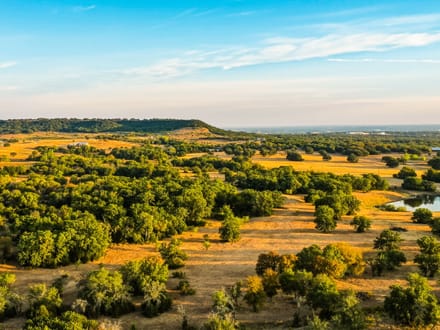
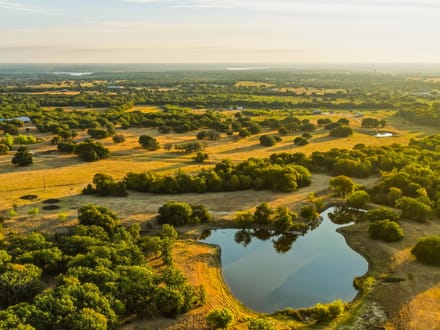
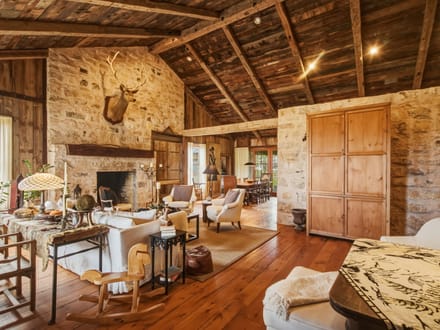
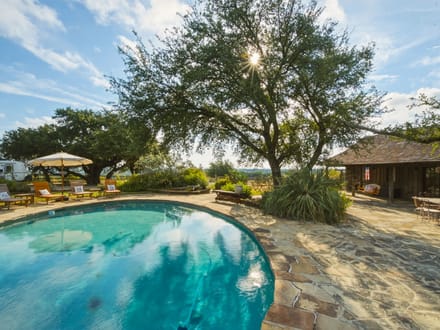
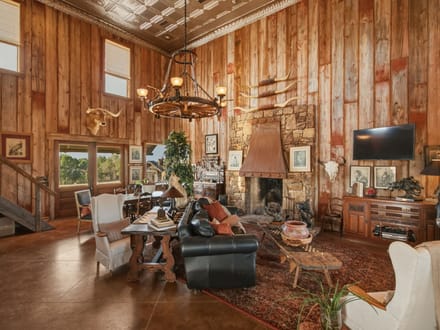
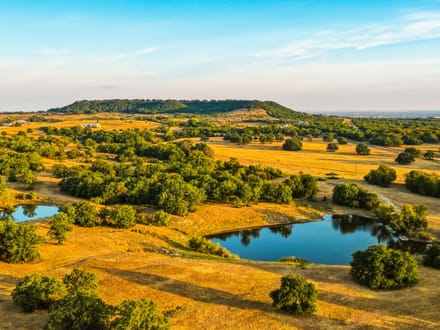
FOR IMMEDIATE RELEASE Rare 264±-Acre Lightning C Ranch, Shaped by Cowboy Artist Dan Coates, Offered Near Fort Worth A one-of-a-kind Granbury ranch featuring an artist-designed home, historic architectural materials, Dan Coates’ Western art studio and expansive views approximately one hour from downtown Fort Worth GRANBURY, Texas — Dan Coates spent much of his life on horseback, and he left it that way. On April 18, 2005, the Granbury rancher, rodeo announcer and Western artist died in the saddle at age 67 while rounding up cattle in Palo Duro Canyon on the historic JA Ranch. Now, for the first time, the Lightning C Ranch is being offered for sale. The 264±-acre ranch lies between Granbury and Glen Rose and is represented by The Mock Ranches Group. “The Lightning C is truly a one-of-a-kind ranch,” said Kasey Mock, ALC, CEO of The Mock Ranches Group. The listing comes just months after Granbury honored Dan and his contributions to the community. On July 3, the Shanley Park Association unveiled “Ranch Repose,” a life-size bronze of Dan by sculptor Mike Tabor, in the Shanley Sculpture Garden in downtown Granbury. This summer, the city also recognized Dan as one of the founding fathers of Granbury’s Fourth of July celebration. A Cowboy’s Life, in Art and on the Land Dan came to ranching after a successful career as a financial services executive, but the cowboy life ran deep in his family. His father is a member of the Texas Rodeo Cowboy Hall of Fame, and Dan followed him into rodeo announcing. He was a longtime member of the Texas Longhorn Breeders Association and served as a director of the organization. He supported the National Cowboy & Western Heritage Museum and was a past president of the Granbury Chamber of Commerce. Dan was also an accomplished Western artist and sculptor whose work celebrated the cowboy way of life. His influence on Granbury's art community continues today through the annual Dan Coates Western Art Exhibition and Sale. His work and creative spirit remain part of the Lightning C Ranch. Behind the main house stands Dan’s art studio, a rustic building he designed in the character of an old Western saloon. Stepping inside feels like walking into a piece of cowboy poetry. A Home Curated by an Artist and a Decorator Dan designed the ranch’s main home himself, but bringing his vision to life was very much a collaboration with his wife, Judy Coates, a talented decorator with an instinctive eye for interiors. Together, Dan and Judy created and curated a home that feels collected rather than constructed, layering Western history, art and architectural materials into a setting that is both deeply personal and remarkably timeless. Every material was chosen with intention. Hand-hewn timbers dating to the 1800s and sourced from Pennsylvania frame the rooms. Historic stone from the original AddRan College building, where Texas Christian University traces its beginnings to 1873 in nearby Thorp Spring, anchors the home. Throughout the residence, Judy’s influence can be seen in the thoughtful way furnishings, art, antiques and architectural elements were brought together to complement Dan’s design. The approximately 3,450-square-foot main residence includes two bedrooms and two baths. An upstairs bunkhouse provides additional sleeping space and includes its own half bath. A pool house sits alongside the residence, while Dan’s historic art studio stands just behind it. The Land The Lightning C Ranch sits at an elevation of approximately 1,042 feet, just below Comanche Peak, Hood County’s highest point. Its elevated setting provides expansive views across the surrounding countryside, with sightlines extending toward downtown Fort Worth to the east, Squaw Creek to the south and Chalk Mountain to the west. Property highlights include: 264± acres with more than a mile of frontage on Neri Road Approximately 3,450-square-foot main residence with two bedrooms and two baths Upstairs bunkhouse with a half bath Pool house Dan Coates’ historic art studio Private 1.8-acre lake Water well producing approximately 100 gallons per minute Improved coastal Bermuda grass pastures Cross-fencing designed for cattle grazing and rotation Approximately one hour from downtown Fort Worth “Ranches with this combination of features are increasingly difficult to find, particularly this close to downtown Fort Worth,” Mock said. “Add the history and legacy of the Lightning C Ranch, and it becomes a property unlike anything else on the market.” Showing Details The Mock Ranches Group will host a Qualified Buyer and Broker Open on October 20, 2026, at 10am. RSVP is required. Please contact info@mockranches.com for more information. The Lightning C Ranch is otherwise available for private showings by appointment to qualified buyers. Listed by Kasey Mock, ALC. About The Mock Ranches Group The Mock Ranches Group is a team of Texas REALTORS® and Accredited Land Consultants with Keller Williams Realty. Since 2013, Mock Ranches agents have represented more than $1 billion and 100,000 acres of Texas farm and ranch land. The team's agents have been named National Recreational Land Broker of the Year (2018, 2023 and 2024) and Residential Development Land Broker of the Year (2024), and are members of the APEX National Top 20 Land Brokers club, with recognition from the REALTORS® Land Institute and The Land Report. With offices across Texas, the team helps clients buy and sell farm, ranch and recreational land. Learn more at mockranches.com. TREC# 636589. Media Contact: (512)275-6625 info@mockranches.com
Key Takeaways The biggest change for the 2026-2027 Texas dove season is the September 1 statewide opener. North, Central, and South zones all open on the same day for the first time in more than a century. The Special White-Winged Dove Days are gone for 2026. South Zone hunters now follow the regular season structure from September 1 instead of waiting for a later opener. The daily limit remains 15 doves in aggregate, including mourning, white-winged, and white-tipped doves. No more than two white-tipped doves can be included in that daily limit, and the possession limit is 45. Before hunting, you need a valid Texas hunting license, a Migratory Game Bird Endorsement, and HIP certification. Hunter education requirements still apply based on age. Sunflowers, milo, wheat stubble, and other seed-producing fields can hold birds, but water often becomes the deciding factor during the September heat. Stock tanks, ponds, and irrigation canals can be especially productive when birds move to drink during the day. Most strong dove hunting still comes down to access and scouting. Private land produces much of the opportunity in Texas, while the Annual Public Hunting program gives hunters another route to dove fields across the state. Zone boundaries still matter even with the statewide September 1 opener, so hunters should confirm the exact TPWD zone for the property before heading out. Texas accounts for 32 percent of the total mourning dove harvest in the United States and 87 percent of the white-winged dove harvest, with more than 300,000 hunters taking to the fields each September and generating over $500 million in annual economic activity. The 2026-2027 season carries a genuinely historic distinction: for the first time in more than 100 years of Texas dove hunting, all three zones open on September 1. TPWD biologists worked with the U.S. Fish and Wildlife Service to update federal frameworks after biological data showed no justification for restricting the South Zone opener, and the change was approved by the TPW Commission on April 1, 2026, on a three-year experimental basis. This guide covers the confirmed 2026 season structure for every zone, bag limits, species identification, license requirements, and where to set up for a productive hunt. The 2026-2027 Season Dates ZONE FIRST SEGMENT SECOND SEGMENT SPECIAL DAYS North Sept 1 - Nov 8, 2026 Dec 18, 2026 - Jan 7, 2027 None Central Sept 1 - Oct 25, 2026 Dec 11, 2026 - Jan 14, 2027 None South Sept 1 - Oct 25, 2026 Dec 18, 2026 - Jan 21, 2027 None - eliminated 2026 Texas uses three geographic zones because migration timing, bird distribution, and regional habitat vary significantly across the state. Zone boundaries follow major highways and landmarks, and crossing a road near a boundary can legally change your opening date or bag limit mid-hunt. TPWD publishes the official zone map annually in the Texas Outdoor Annual, available online and through the OutdoorAnnual mobile app. Confirm your exact GPS location against that map before opening day. The headline change for 2026 is the statewide September 1 opener and the elimination of the Special White-Winged Dove Days that previously ran in early September in the South Zone. Because the change was approved under a three-year experimental structure, TPWD will conduct additional population monitoring and gather hunter feedback before the adjustment is made permanent. Standardized bag limits and shooting hours now apply across all three zones from day one of the regular season. North Zone: Rolling Plains and Early Migration The North Zone covers the Panhandle, Rolling Plains, and North Central Texas, including the Dallas-Fort Worth area. September 1 has been its traditional opener and continues to be designed to intercept the first push of migrating birds moving south from the central plains as early cool fronts build. The winter segment runs December 18 through January 7, giving hunters a second window after the main migration has passed. The agricultural counties of Knox, Haskell, Stonewall, and Fisher in the Rolling Plains consistently produce strong opening-weekend numbers. North Zone hunting is primarily a private-land game. Most productive agricultural ground is held by farmers and landowners who either lease access or allow hunting by permission, and relationships built before the season opens outperform any last-minute scouting. Harvested sunflower fields, milo stubble, and wheat in this part of North Texas pull migrating birds by the thousands in the first two weeks of September. Access to those fields, not bird numbers, is the limiting factor for most hunters in the North Zone. Central Zone: The Largest Zone in Texas The Central Zone runs through the middle of the state from the Hill Country through the Austin and San Antonio corridors. The first segment runs September 1 through October 25, with the winter segment picking back up December 11 through January 14. The Hill Country counties of Llano, Mason, Kimble, Menard, and Kerr hold strong mourning dove numbers through mid-October, particularly around stock tanks and cleared senderos where birds funnel between feeding and watering areas. Hondo, just west of San Antonio, sits in the Central Zone and is widely called the Dove Capital of Texas, drawing birds by the tens of thousands to managed sunflower fields and irrigated grain operations. The Central Zone also holds the widest variety of habitat types, from intense agricultural production ground near I-10 and I-35 to open ranch country where stock tanks and brush edges create natural flight paths. Hunters who identify water sources in the early-September heat consistently outperform those who focus on grain fields alone, since doves move aggressively to water during the midday hours. South Zone: A Historic September 1 Opener in 2026 The South Zone covers the Rio Grande Valley and the southernmost counties of Texas, including La Salle, McMullen, Duval, Uvalde, and Zapata. For the first time in over a century, it opens September 1 alongside the North and Central zones. The first segment runs through October 25, with the second segment resuming December 18 through January 21. The Special White-Winged Dove Days that previously ran in early September are eliminated under the new structure, replaced by the full 15-bird aggregate bag limit starting day one. Dove Species, Bag Limits, and Legal Shooting Hours SPECIES HOW TO IDENTIFY IT BAG LIMIT NOTE Mourning Dove Gray-brown, long pointed tail, black wing spots. Found statewide. Counts toward 15-bird daily aggregate. White-Winged Dove Larger body, bold white stripe across the wing, rounded tail. Heavy in South and Central zones. Counts toward 15-bird daily aggregate. White-Tipped Dove Plump, rounded tail, pale underparts. Found mainly in the deep South Zone. Maximum 2 per day within the 15-bird aggregate. Eurasian Collared-Dove Larger and paler than a mourning dove, black collar on the nape. Invasive. Found statewide. Not a game bird. No bag limit. Does not count toward the 15-bird aggregate. The daily bag limit in all three zones is 15 birds, measured as an aggregate of mourning, white-winged, and white-tipped doves combined. No more than two white-tipped doves may be included in the daily total. The possession limit is 45 birds, three times the daily bag. Legal shooting hours run from 30 minutes before sunrise to sunset across all zones. The Eurasian collared-dove is now widespread across the state and visible in most hunting areas. It is classified as an invasive species, carries no bag limit, and hunters are encouraged to harvest them. They do not count toward the 15-bird daily aggregate, meaning shooting one does not use a slot in the daily limit. Knowing the difference in the air, primarily the black nape collar and noticeably larger body compared to a mourning dove, prevents confusion after the shot. What You Need Before You Go Dove hunting in Texas requires three things before you step into a field: A valid Texas hunting license. A Migratory Game Bird Endorsement, available at any license retailer or online. Federal Harvest Information Program (HIP) certification, completed during license purchase at no extra charge. The HIP number must be on your person while hunting. Hunters born on or after September 2, 1971 must hold a valid hunter education certificate before hunting in Texas. Certification is a one-time requirement recognized in all states and Canadian provinces. Migratory doves must be transported with wings attached or whole until reaching the final processing location so the species remains identifiable. The full regulatory framework for doves and every other migratory species is published annually in the Texas hunting seasons guide, which covers the complete fall and winter calendar from dove through duck, geese, and sandhill crane. What Doves Eat and Where to Find Them Sunflowers are the strongest dove attractor on the Texas landscape. A harvested or standing sunflower field near water will hold more birds than almost any other single setup. Milo (grain sorghum) is a close second and is planted extensively across the Rolling Plains and South Texas for exactly this reason. Wheat stubble, browntop millet, and croton round out the reliable list. TPWD biologists note that fields with a variety of seed plants hold birds more consistently across the full season than single-crop monocultures, since one crop that gets cleaned up in a week leaves an area empty while mixed plantings carry birds through the transition. The TPWD Annual Public Hunting Permit gives access to public-leased dove fields across the state, many planted specifically with sunflowers or milo. These fields are listed in the annual booklet and mapped through the OutdoorAnnual app. On public fields, scouting the days before the season to identify water within a half mile of the grain significantly improves results. Stock tanks, ponds, and irrigation canals near feeding areas are critical in early September. In heat that regularly exceeds 100 degrees, doves move aggressively to water during the midday hours when feeding slows, and setting up between a grain field and a nearby tank can produce steady shooting through hours that most hunters write off. Roost Areas and Flight Timing Dove roost in trees and along power lines near their feeding and watering areas. Finding where birds stage in the evenings gives you a predictable flight path to work the following morning. Dead trees, bare mesquite limbs, and fence lines along field edges are the most reliable roost indicators. Birds heading toward roost in the late afternoon are moving with direction and purpose, and the 90 minutes before sunset can rival or exceed the morning flight in volume at a well-located roost approach. Morning flights begin at legal shooting time and typically run strong for 90 minutes to two hours before slowing through the midday heat. The afternoon flight starts building around 4:00 p.m. and runs until legal sunset. The midday window between 10:00 a.m. and 2:00 p.m. is generally the slowest period, though hunters positioned directly on a watering source can find steady action during those hours. Planning two hunts per day around the morning and late-afternoon flights, with water access as the midday option, produces the most consistent results across the season. Gear, Setup, and Shot Size Most Texas dove hunters carry a 12 or 20 gauge shotgun with an improved cylinder or modified choke. The fast, close-to-mid-range passing shots that define dove hunting suit both choke options well. Lead 7.5 or 8 shot is the standard for dove on private land, but non-toxic shot such as steel or bismuth is strictly required on many public hunting lands and Wildlife Management Areas. Check the specific regulations for any public land parcel before loading up, since shooting lead on a WMA that requires non-toxic is a citation regardless of whether you knew the rule. Bring significantly more shells than you expect to use. Even experienced wingshooters often run a box-per-bird ratio early in the season. Motion decoys and spinning-wing decoys draw birds lower and slower on approach, translating directly into better shot angles. A spread of four to six stationary decoys on a fence wire or dead limb, with one motion decoy nearby, presents a convincing scene to incoming birds. Dove have sharp eyesight and will flare at movement or shine. Sit with the sun at your back when possible, blend into natural cover, and minimize motion until you are ready to mount the gun. In early September heat that regularly pushes triple digits, bring more water than you think you need, keep dogs in shade between retrieves, and watch for heat stress signs in working dogs. Land Access and Long-Term Hunting Solutions The majority of the best dove hunting in Texas happens on private land. Public-leased dove fields through the APH program fill a real gap for hunters without private access, but they are often crowded on opening weekend and subject to agricultural activity on surrounding ground that can shift bird patterns on short notice. The most consistent dove hunters in the state have built relationships with farmers and landowners over years, trading labor, goodwill, or formal lease arrangements for access to scouted, productive fields. That kind of access does not happen in a week. Hunters considering a longer-term solution to the access problem will find that hunting properties in Texas range from smaller recreational tracts to large managed operations with planted grain fields, stock tanks, and roosting cover already in place. A property with the right combination of those three elements holds doves from September through January, and many of the same tracts that produce strong dove hunting also support a full fall calendar into whitetail deer hunting season starting in October. Dove season is almost always the first hunt of the year on Texas land, and how a property performs in September is a reliable indicator of what the rest of the fall will look like. Reference Links Texas Parks and Wildlife Department, April 1, 2026 Commission Approval: 2026-27 Statewide Hunting and Migratory Game Bird Regulations. NWTF Texas State Chapter, Dove Hunting Forecast 2026, August 28, 2026. Texas Outdoor Annual, 2026-2027 Season Regulations. Texas Parks and Wildlife Department, Migratory Game Birds, Dove.