




Land for Sale in Comanche County, From Working Pasture to Proctor Lake
Comanche County is working agricultural country. The 2022 Census of Agriculture counted 1,500 farms covering 596,256 acres. Land in farms rose 22 percent from 2017, and the average farm grew to 398 acres. In other words, farmland here is expanding, not shrinking. For you, that means larger tracts and an active farm economy around them.
Tract sizes also vary widely. About 31 percent of farms run 50 to 179 acres, and another 20 percent run 180 to 499 acres. Roughly 7 percent cover 1,000 acres or more. Whether you want a weekend place or a full working ranch, the county has room for both.
Dairy, Cattle, and Pecans in the Local Farm Economy
Livestock drives agriculture in Comanche County. Livestock and livestock products made up 91 percent of farm sales in 2022, according to USDA NASS. Milk sales ranked 7th among Texas counties that year. Cattle sales ranked 28th. On the crop side, hay leads by acreage, and pecans come second at 13,335 acres.
If you want production land, you are buying into an established farming area. Pasture covers most of the county’s farmland, so grazing ground is the norm rather than the exception. Cropland and woodland add variety for buyers who want to grow hay, run cattle, or keep timber for wildlife. Sheep and goats are common as well, with 11,713 sheep and 6,526 goats counted at the end of 2022.
| Land in farms by use (2022) | Acres |
|---|---|
| Pastureland | 370,482 |
| Cropland | 169,567 |
| Woodland | 44,137 |
| Other | 12,070 |
Fishing and Hunting Around Proctor Lake
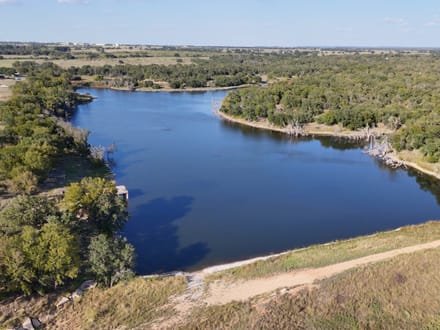
Proctor Lake is a Corps of Engineers reservoir on the Leon River. At conservation pool, it covers 4,610 surface acres with 38 miles of shoreline. Texas Parks and Wildlife ranks it among the best hybrid striped bass lakes in the state. Its crappie fishing rates as excellent.
Standing timber and willows fill the upper end of the lake, giving fish plenty of cover. Catfish, white bass, and largemouth bass add to the catch. Away from the lake, mixed pasture and woods give wildlife food and cover. More than 44,000 acres of farmland here is woodland, which adds habitat on many properties. If you plan to hunt, check Texas Parks and Wildlife for the seasons, dates, and bag limits that apply in Comanche County.
Before you buy, look at the basics that make a property work for both livestock and wildlife:
- Water. Check for stock tanks, creeks, wells, or river frontage. Reliable water supports cattle and game alike.
- Cover. Look at the balance of woods and open pasture. Brush and timber hold game, while open ground carries livestock.
- Fencing. Ask about the type and condition of perimeter and cross fences. Good fencing saves you time and money from day one.
- Access. Confirm road frontage or a recorded easement. Then check how interior roads hold up after rain.
Browse the Comanche County listings above to see what is on the market now. For more ground in the region, explore land for sale in North Texas or our hunting land for sale in Texas. To schedule a showing, contact our team.
